
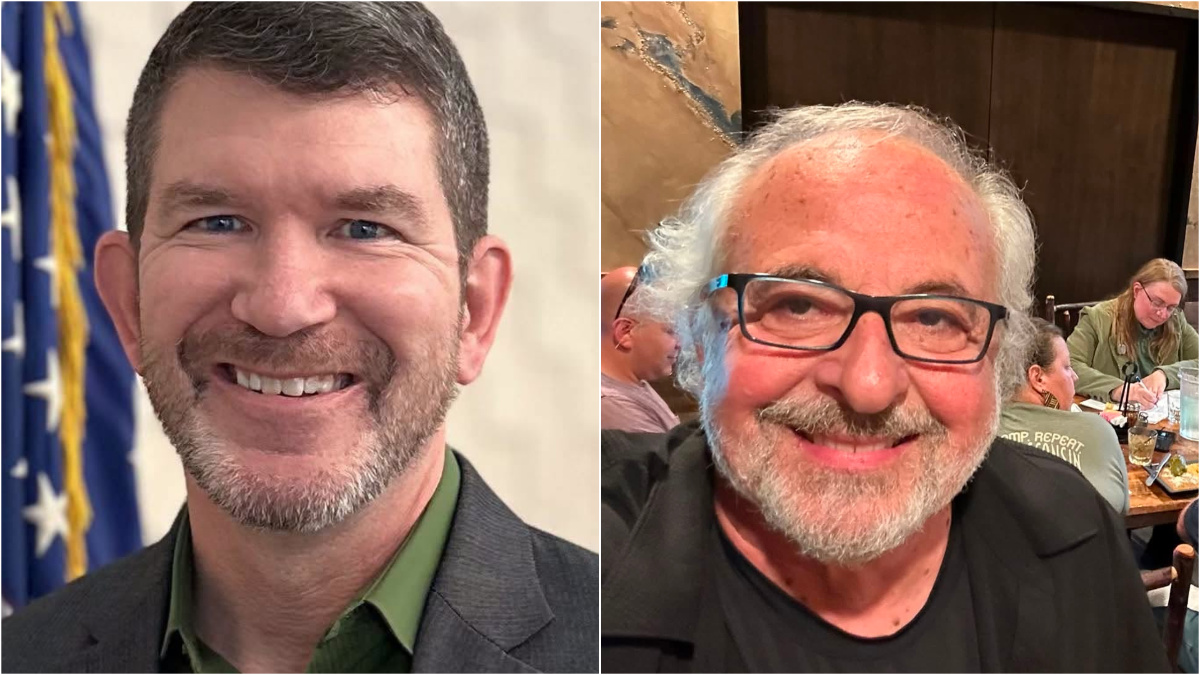
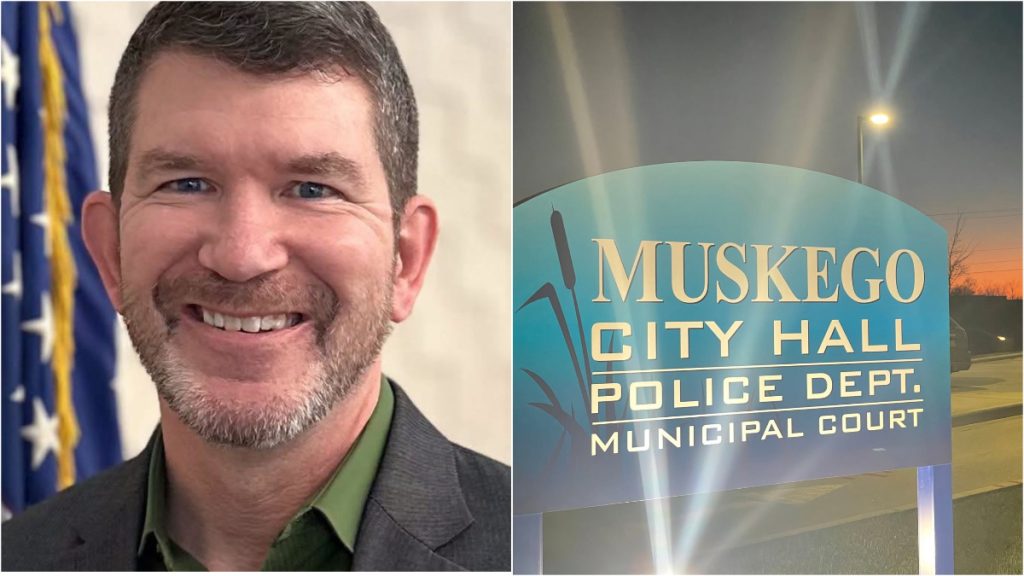
Muskego Mayor Rick Petfalski wants the public to know the context behind the anti-Flock campaign being painted as “grassroots” in the local media. “Here in Muskego, NoCams Muskego is being led by Pete Karas, a Wisconsin Green Party candidate for secretary of state and political organizer who has publicly called for building a stronger ‘leftist party,'” he said.
Pete Karas is the founder of No Cams Muskego, which wants an ordinance to get rid of the cameras. Local law enforcement uses them to conduct targeted searches for investigations into stolen vehicles, suspects in crimes, missing people and the like.
“The campaign against Flock cameras is being presented as a spontaneous, nonpartisan privacy movement, but the political connections and broader motivations behind it deserve public scrutiny,” Petfalski warned, in a statement to Wisconsin Right Now.
“Nationally, progressive organizations involved in the No Kings coalition—including the ACLU and Indivisible—have helped organize and amplify campaigns against Flock cameras,” said the mayor. “Some of these same organizations openly advocate abolishing or defunding ICE, and organizations within this coalition have also supported defunding police departments. Their opposition to Flock is frequently connected to a broader effort to restrict immigration enforcement, reduce law enforcement’s resources and limit the investigative tools available to police,” he added. (Fox News ran an investigative piece on this angle. Learn more here.)
People across the political spectrum “can have legitimate questions about privacy and government surveillance, and not everyone who questions this technology necessarily shares these broader political objectives. However, it is equally legitimate to acknowledge that progressive organizations associated with the No Kings movement are helping drive the national campaign and that Muskego’s local effort is being led by an active statewide Green Party candidate,” added Petfalski.

“That political background does not automatically invalidate every concern the group raises, but it is relevant context for the public—particularly when the organization is soliciting donations, purchasing campaign materials and threatening a direct-legislation effort using language of its own choosing,” he continued.
“Muskego should evaluate its cameras based on facts: how they are deployed, how the information is protected, the safeguards governing their use and their demonstrated success in locating missing people, identifying dangerous suspects and solving serious crimes. The debate should not be driven by national anti-ICE or defund-the-police politics, nor by attempts to portray Muskego’s limited and carefully regulated system as something it is not.”
On Sept. 7, he weighed in on Facebook, writing:
“First, the Flock cameras. I did not make the decision to install them on my own, nor do I have the authority to remove them on my own. Funding for the cameras was discussed and approved by the Common Council through the City’s public budget process.
I recognize that many residents want the cameras removed. I also hear from residents who support giving our police access to lawful investigative tools that can help solve crimes. Opinions are clearly divided, and the issue will likely receive additional discussion during this fall’s capital-budget process.
Flock has created significant public-relations concerns that have affected public confidence in the technology. There is also considerable misunderstanding about what these cameras can and cannot do. My responsibility is to listen to both sides and work with the Common Council to determine what is best for Muskego.”